This well-known aromatic spice is the fruit of a species of climbing vine, and is a native of the East Indies, and is extensively cultivated in Malabar and the eastern islands of Borneo, Sumatra, and Java, and others in the same latitude. It was formerly confined to these countries, but it has now been introduced to Cayenne. It is generally employed as a condiment; but it should never be forgotten, that, even in small quantities, it produces detrimental effects on inflammatory constitutions. Dr. Paris, in his work on Diet, says, "Foreign spices were not intended by Nature for the inhabitants of temperate climes; they are heating, and highly stimulant. I am, however, not anxious to give more weight to this objection than it deserves. Man is no longer the child of Nature, nor the passive inhabitant of any particular region. He ranges over every part of the globe, and elicits nourishment from the productions of every climate. Nature is very kind in favouring the growth of those productions which are most likely to answer our local wants. Those climates, for instance, which engender endemic diseases, are, in general, congenial to the growth of plants that operate as antidotes to them. But if we go to the East for tea, there is no reason why we should not go to the West for sugar. The dyspeptic invalid, however, should be cautious in their use; they may afford temporary benefit, at the expense of permanent mischief. It has been well said, that the best quality of spices is to stimulate the appetite, and their worst to destroy, by insensible degrees, the tone of the stomach. The intrinsic goodness of meats should always be suspected when they require spicy seasonings to compensate for their natural want of sapidity." The quality of pepper is known by rubbing it between the hands: that which withstands this operation is good, that which is reduced to powder by it is bad. The quantity of pepper imported into Europe is very great.
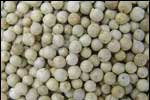
White Pepper
This is the produce of the same plant as that which produces the black pepper, from which it is manufactured by steeping this in lime and water, and rubbing it between the hands till the coats come off. The best berries only will bear this operation; hence the superior qualities of white pepper fetch a higher price than those of the other. It is less acrid than the black, and is much prized among the Chinese. It is sometimes adulterated with rice-flour, as the black is with burnt bread. The berries of the pepper-plant grow in spikes of from twenty to thirty, and are, when ripe, of a bright-red colour. After being gathered, which is done when they are green, they are spread out in the sun, where they dry and become black and shrivelled, when they are ready for being prepared for the market.



 Pepper, Long