

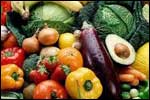
 Onion

 This is a biennial plant, with a root like a carrot, which, in nutritive and saccharine matter, it nearly equals. It is a native of Britain, and, in its wild state, may be found, in many parts, growing by the road-sides. It is also to be found, generally distributed over Europe; and, in Catholic countries, is mostly used with salt fish, in Lent. In Scotland it forms an excellent dish, when beat up with butter and potatoes; it is, also, excellent when fried. In Ireland it is found to yield, in conjunction with the hop, a pleasant beverage; and it contains as much spirit as the carrot, and makes an excellent wine. This vegetable is found wild in meadows all over Europe, and, in England, is met with very frequently on dry banks in a chalky soil. In its wild state, the root is white, mucilaginous, aromatic, and sweet, with some degree of acrimony: when old, it has been known to cause vertigo. Willis relates that a whole family fell into delirium from having eaten of its roots, and cattle never touch it in its wild state. In domestic economy the parsnip is much used, and is found to be a highly nutritious vegetable. In times of scarcity, an excellent bread has been made from the roots, and they also furnish an excellent wine, resembling the malmsey of Madeira and the Canaries: a spirit is also obtained from them in as great quantities as from carrots. Its proportion of nutritive matter is 99 parts in 1,000; 9 being mucilage and 90 sugar. The composition of the parsnip-root has been found to be 79.4 of water, 0.9 starch and fibre, 6.1 gum, 5.5 sugar, and 2.1 of albumen. |

Search |
| Comments (0) | Don't be shy, tell us what you think! → |
 |  |  |
Colonial Sense is an advocate for global consumer privacy rights, protection and security.
All material on this website © copyright 2009-26 by Colonial Sense, except where otherwise indicated.
ref:T5-S39-P936-C-M